1. What is Allantoin and what is it used for in cosmetics?
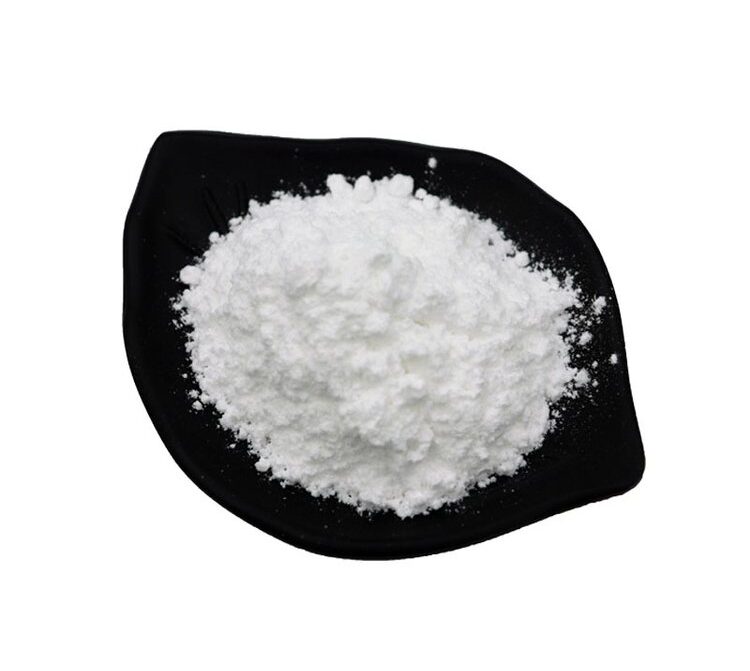
Allantoin (CAS 97-59-6) is a widely used cosmetic active ingredient for skin soothing, moisturizing, and skin repair formulations. It helps reduce irritation, promotes skin cell regeneration, and improves skin smoothness.
Because of these properties, cosmetic grade allantoin powder is commonly used in:
- Moisturizing creams and lotions
- Sensitive skin care products
- Acne treatment formulations
- After-sun soothing gels
- Baby care products
This is why many manufacturers search for bulk allantoin supplier for skincare formulations.
2. Is Allantoin safe for cosmetic and personal care products?
Yes. Allantoin cosmetic ingredient is considered safe and non-toxic when used within recommended concentrations.
It is widely approved and used in:
- EU cosmetic formulations
- US personal care products
- Asian skincare markets
Due to its safety profile, allantoin for sensitive skin formulations is widely used in dermatological and baby care products.
3. What is the typical usage level of Allantoin in skincare formulations?
The typical concentration of allantoin in cosmetic formulations is:
- 0.1% – 0.5% in creams and lotions
- 0.2% – 2% in therapeutic skin repair formulations
Many cosmetic formulators search for recommended dosage of allantoin in skincare products when designing moisturizers or skin repair creams.
4. What are the key benefits of Allantoin in skincare?
Allantoin provides multiple skincare benefits, including:
- Skin soothing and anti-irritation effects
- Moisturizing and skin softening
- Gentle keratolytic exfoliation
- Promotion of skin regeneration
Because of these functions, allantoin powder for skin repair and moisturizing creams is widely used in modern cosmetic formulations.
5. Is Allantoin natural or synthetic?
Allantoin can be obtained from natural sources such as comfrey plant extract, but most industrial production uses synthetic allantoin manufacturing processes to ensure:
- Higher purity
- Stable supply
- Lower production cost
For this reason, global buyers often search for high purity synthetic allantoin CAS 97-59-6 suppliers.
6. Is Allantoin soluble in water?
Allantoin powder is slightly soluble in cold water but more soluble in warm water.
In cosmetic manufacturing, formulators usually dissolve allantoin in the water phase at temperatures between 50–70°C to ensure complete dispersion.
This is why many formulators search for how to dissolve allantoin powder in cosmetic formulations.
7. What industries use Allantoin besides cosmetics?
Besides skincare and personal care products, allantoin raw material is also used in:
- Pharmaceutical dermatology products
- Wound healing ointments
- Oral care products such as toothpaste
- Hair care formulations
Therefore, international buyers frequently search for pharmaceutical grade allantoin bulk supplier.
8. What should buyers look for when choosing an Allantoin supplier?
International buyers usually focus on the following factors when sourcing bulk allantoin powder CAS 97-59-6:
- Purity level (≥99%)
- Consistent particle size
- Stable batch quality
- Regulatory compliance
- Reliable global supply capability
Choosing a professional allantoin manufacturer with export experience helps ensure stable product performance.
9. What is the shelf life and storage condition of Allantoin?
Allantoin powder typically has a shelf life of 24 months when stored properly.
Recommended storage conditions:
- Keep in a cool, dry place
- Protect from moisture and direct sunlight
- Store in sealed packaging
Many buyers search for allantoin powder storage conditions and shelf life before bulk procurement.
10. Can Allantoin be used in sensitive skin and baby care products?
Yes. Because of its mild soothing and anti-irritation properties, allantoin is widely used in:
- Sensitive skin formulations
- Baby skincare products
- Dermatological creams
This makes allantoin cosmetic ingredient for sensitive skin care products one of the most frequently searched applications by international skincare brands.