Q1: What is Isobutyl Paraben, and what is it used for?
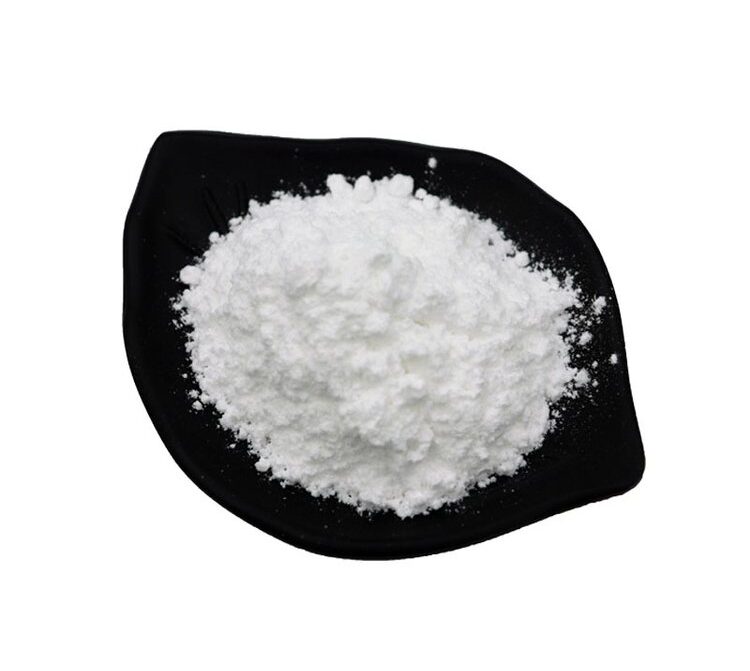
A: Isobutyl Paraben (Isobutyl 4-hydroxybenzoate) is a synthetic preservative in the paraben family. It inhibits bacteria, yeast, and mold growth, extending product shelf life. Main uses:
- Cosmetics: Creams, lotions, shampoos, deodorants (rinse-off only in EU).
- Food: Soy sauce, vinegar, beverages, fruit preserves (limited regions).
- Pharmaceuticals: Topical creams, ointments.
- Industrial: Adhesives, coatings.
Q2: Is Isobutyl Paraben safe for use? Any health risks?
A: When used within regulatory limits (≤0.4% single ester), it is considered safe for most users. Key safety notes:
- Low acute toxicity: Oral LD50 (rat) = 8.39 g/kg (low toxicity).
- Mild irritation: May cause slight skin/eye irritation in sensitive individuals; no severe toxicity reported at approved doses.
- Endocrine concern: Weak estrogenic activity at very high doses; no conclusive evidence of cancer/reproductive harm from normal use.
- Regulatory stance: FDA (safe), EU (restricted), China (limited).
Q3: What are the global regulatory limits and bans?
A: Critical regional rules (2026):
- EU: Banned in leave-on cosmetics (creams, serums); allowed in rinse-off (shampoos) ≤0.4% single / ≤0.8% mixed.
- US: FDA GRAS; no ban, but requires accurate labeling and safety data.
- China: Cosmetics max ≤0.4% single / ≤0.8% mixed; food/pharmaceuticals follow GB standards.
- Japan: Allowed in specified foods/cosmetics with concentration limits.
Q4: What quality specs should I verify before purchasing?
A: Mandatory specs for international trade:
- Purity: ≥99.0% (dry basis).
- Melting point: 75–77°C.
- Acidity: Qualified (free acid ≤0.1%).
- Impurities: Heavy metals (Pb ≤10 ppm, As ≤2 ppm), residual solvents ≤500 ppm.
- Moisture: ≤0.5%.
- Certifications: COA, SDS, GMP, ISO 9001/22000, HALAL, FDA registration, TSE-free.
Q5: How to solve solubility and formulation issues?
A: Practical solutions:
- Solubility: Pre-dissolve in ethanol, propylene glycol, or heated oil phase (60–80°C) before adding to water-based formulations.
- pH control: Maintain formulation pH 4–8 for optimal antimicrobial activity.
- Synergistic use: Mix with methylparaben/propylparaben (0.2%+0.1%) for broad-spectrum preservation; avoid nonionic surfactants (reduces efficacy).
Q6: What packaging and storage conditions are required?
A:
- Packaging: 25kg cardboard drums with double PE inner bags (food/pharmaceutical grade); 1kg/5kg aluminum foil bags for small orders.
- Storage: Cool, dry, ventilated warehouse (2–8°C recommended); keep sealed, away from direct sunlight and moisture.
- Shelf life: 24 months (unopened, proper storage).
Q7: How to avoid customs clearance delays?
A:
- Prepare complete documents: COA, SDS, GMP, ISO, HALAL, FDA registration, TSE-free certificate, origin certificate.
- Label compliance: Mark “Isobutylparaben”, CAS 4247-02-3, purity, net weight, manufacturer info, and regional warning statements (e.g., “For rinse-off use only in EU”).
- Verify regional bans: Confirm end-use compliance (e.g., no leave-on cosmetics in EU) before shipment.
Q8: What are the alternatives if Isobutyl Paraben is banned in my market?
A: Common paraben-free alternatives:
- Phenoxyethanol (broad-spectrum, EU/US approved).
- Ethylhexylglycerin (mild, synergistic with phenoxyethanol).
- Sodium Benzoate (food-grade, acidic formulations).
- Potassium Sorbate (mold inhibition, pH <6.5).