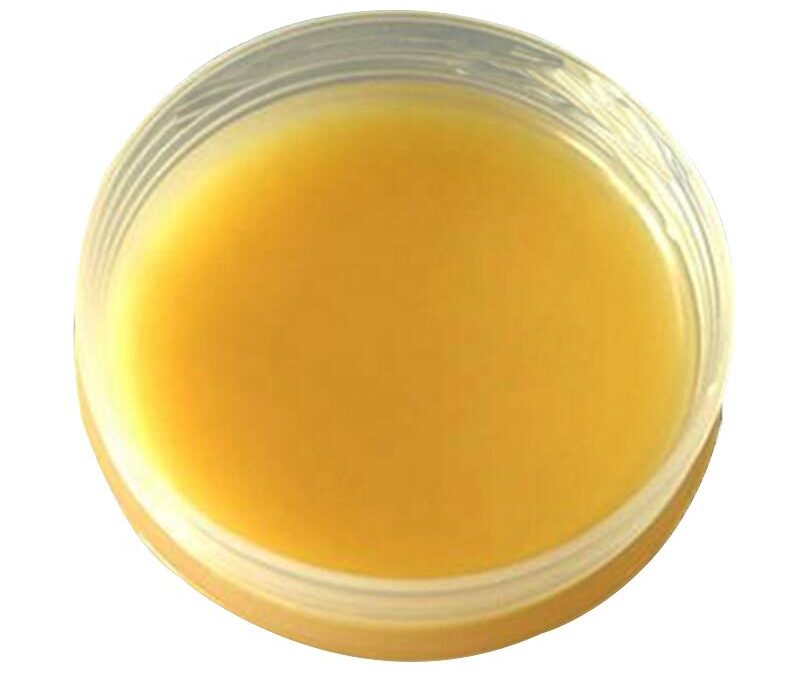
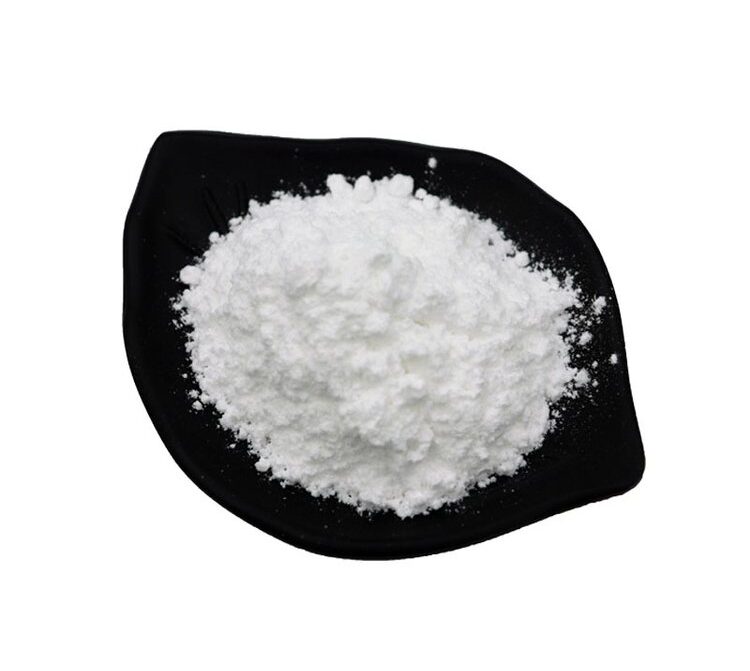
1. What is the main difference between these three ingredients?
All three are licorice-derived active ingredients, but they differ in chemical form, solubility, skin compatibility, and application focus.
| Ingredient | Chemical Nature | Key Advantage |
|---|---|---|
| Dipotassium Glycyrrhizinate | Salt of glycyrrhizic acid | High water solubility & low irritation |
| Glycyrrhizin | Glycoside | Strong bioactivity, limited solubility |
| Glycyrrhetinic Acid | Aglycone (hydrolysis product) | High potency, oil-soluble |
2. Which one is best for cosmetic formulations?
Dipotassium Glycyrrhizinate is the preferred choice for cosmetics because:
- Easily soluble in water
- Excellent skin compatibility
- Low irritation profile
- Suitable for sensitive skin, baby care, and daily skincare
Glycyrrhetinic Acid is more suitable for targeted treatments rather than everyday cosmetics.
3. How do they differ in solubility?
| Ingredient | Water Solubility | Oil Solubility |
|---|---|---|
| Dipotassium Glycyrrhizinate | ✔ Excellent | ✖ Limited |
| Glycyrrhizin | ⚠ Limited | ✖ Poor |
| Glycyrrhetinic Acid | ✖ Poor | ✔ Good |
Formulation takeaway:
Water-based or emulsion systems strongly favor Dipotassium Glycyrrhizinate.
4. Which ingredient is more suitable for sensitive skin products?
- Dipotassium Glycyrrhizinate → Best choice
- Glycyrrhizin → Moderate
- Glycyrrhetinic Acid → May cause irritation at higher concentrations
This is why Dipotassium Glycyrrhizinate is widely used in anti-redness, calming, and post-procedure skincare.
5. Are they interchangeable in formulations?
No.
Although they share a common botanical origin, they are not directly interchangeable due to:
- Different solubility
- Different irritation potential
- Different regulatory positioning
- Different recommended usage levels
Reformulation is required if substitution is considered.
6. Which one offers the strongest anti-inflammatory effect?
- Glycyrrhetinic Acid → Strongest activity
- Glycyrrhizin → Moderate to strong
- Dipotassium Glycyrrhizinate → Mild to moderate but safer for long-term use
Buyer insight:
High potency ≠ better for daily skincare.
7. Which ingredient is easier to formulate with?
Dipotassium Glycyrrhizinate is the easiest to formulate because:
- No special solubilizers required
- Stable in aqueous systems
- Compatible with most cosmetic ingredients
Glycyrrhetinic Acid often requires solubilizers or oil-phase processing.
8. How do their regulatory statuses differ?
All three are used globally, but:
- Dipotassium Glycyrrhizinate is most commonly listed under INCI for cosmetics
- Glycyrrhizin and Glycyrrhetinic Acid may face usage limits or classification differences depending on market and application
Buyers should always verify local cosmetic or pharmaceutical regulations.
9. Which one is commonly used in pharmaceutical products?
- Glycyrrhizin → Widely used in pharmaceuticals (oral and injectable forms)
- Glycyrrhetinic Acid → Used in topical medicinal products
- Dipotassium Glycyrrhizinate → Used in dermatological and medical skincare
10. Can Dipotassium Glycyrrhizinate replace Glycyrrhetinic Acid?
Not directly.
Dipotassium Glycyrrhizinate is designed for mild, long-term skin conditioning, while Glycyrrhetinic Acid is intended for high-potency, short-term applications.