1. What is the difference between Allantoin, Urea, and Panthenol in skincare?
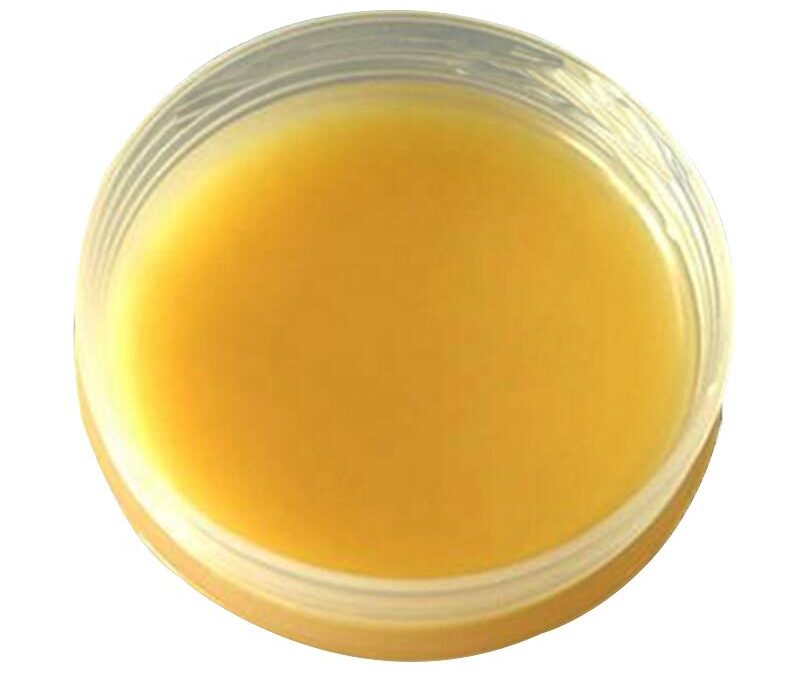
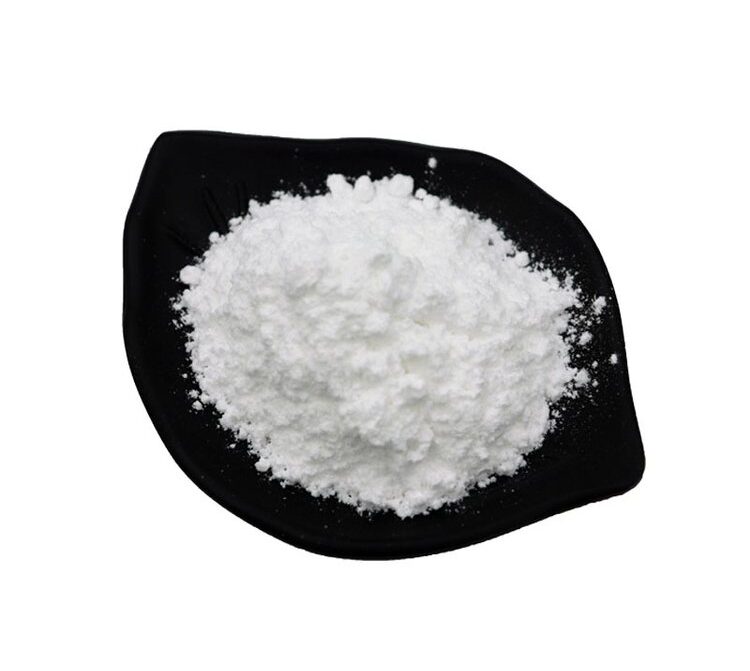
Allantoin, Urea, and Panthenol are all widely used cosmetic active ingredients for moisturizing and skin care formulations, but they perform different primary functions.
| Ingredient | Primary Function | Key Benefit |
|---|---|---|
| Allantoin | Skin soothing & repair | Reduces irritation and promotes skin regeneration |
| Urea | Strong humectant & keratolytic | Hydrates and exfoliates dry skin |
| Panthenol (Pro-Vitamin B5) | Moisturizing & barrier repair | Improves skin hydration and elasticity |
2. Which ingredient is better for sensitive skin: Allantoin, Urea, or Panthenol?
For sensitive or irritated skin, Allantoin and Panthenol are generally preferred.
- Allantoin helps calm irritation and supports skin healing
- Panthenol strengthens the skin barrier and provides hydration
- Urea, especially at higher concentrations, may cause mild irritation for sensitive skin
3. Which ingredient provides the best moisturizing effect?
Urea is typically the most powerful humectant among the three.
Comparison of moisturizing strength:
| Ingredient | Moisturizing Power |
|---|---|
| Urea | Very high |
| Panthenol | High |
| Allantoin | Moderate |
However, formulators often combine them because allantoin improves skin comfort while urea delivers deep hydration. This combination is common in moisturizing creams for dry or damaged skin.
4. Which ingredient is better for anti-aging skincare products?
Both Panthenol and Allantoin are commonly used in anti-aging skincare formulations.
- Panthenol improves skin elasticity and hydration
- Allantoin smooths skin texture and promotes regeneration
Therefore, many cosmetic brands search for panthenol vs allantoin in anti-aging skincare formulations.
5. Can Allantoin, Urea, and Panthenol be used together in cosmetic formulations?
Yes. Many modern skincare formulations combine these ingredients because they provide complementary benefits.
Typical combination roles:
- Urea → deep hydration
- Panthenol → barrier repair and moisture retention
- Allantoin → soothing and skin regeneration
This synergy is why formulators frequently search for allantoin urea panthenol combination skincare formulation.
6. What are the typical usage levels of Allantoin, Urea, and Panthenol?
Typical concentrations in cosmetic formulations:
| Ingredient | Typical Usage Level |
|---|---|
| Allantoin | 0.1 – 0.5% |
| Urea | 2 – 10% |
| Panthenol | 0.5 – 5% |
These ranges are commonly referenced by manufacturers searching for recommended dosage of allantoin urea panthenol in cosmetics.
7. Which ingredient is most commonly used in baby care products?
For baby care formulations, Allantoin and Panthenol are usually preferred.
They are used in:
- Baby lotions
- Diaper rash creams
- Sensitive skin products
Because they provide gentle soothing and moisturizing effects, buyers often search for allantoin and panthenol for baby skincare products.
8. Which ingredient is most cost-effective for large-scale cosmetic manufacturing?
In terms of raw material cost and supply availability:
| Ingredient | Cost Level |
|---|---|
| Urea | Low |
| Allantoin | Moderate |
| Panthenol | Higher |
Because of its balance between cost and performance, many cosmetic manufacturers look for bulk allantoin suppliers for skincare production.
Quick Summary: Allantoin vs Urea vs Panthenol
| Function | Best Ingredient |
|---|---|
| Skin soothing | Allantoin |
| Deep hydration | Urea |
| Skin barrier repair | Panthenol |
| Sensitive skin care | Allantoin / Panthenol |
| Rough skin treatment | Urea |
| Skin repair | Allantoin |