1. Product Basics & Key Properties
Q1: What is Anhydrous Lanolin (CAS 8006-54-0)?
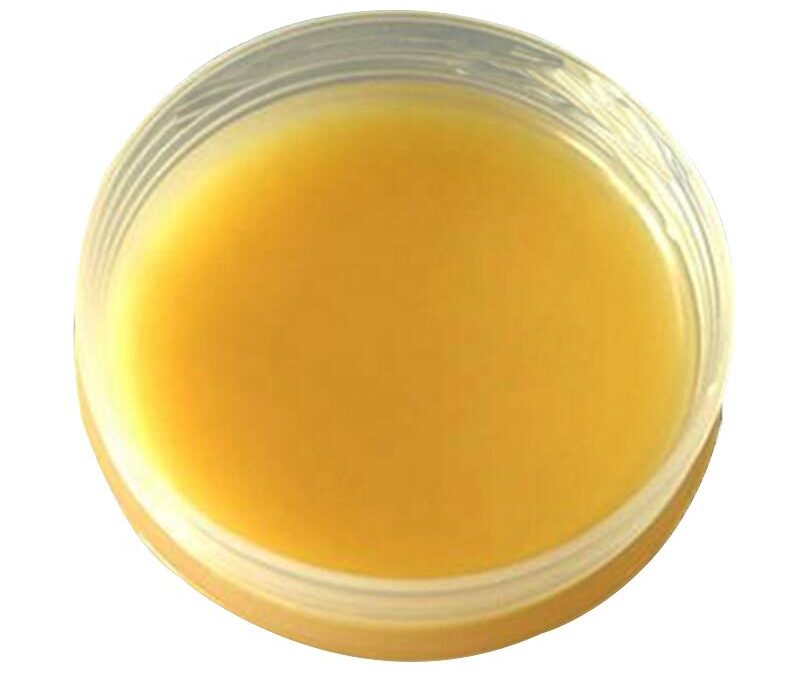
Anhydrous lanolin (wool fat, wool wax) is a purified, water‑free natural wax extracted from sheep’s wool sebaceous glands. It is a yellow‑to‑amber, unctuous semi‑solid with a characteristic mild odor.
- Core properties: Melting point ~36–42°C; iodine value 18–36; saponification value 90–105; water content ≤ 0.1% (anhydrous grade).
- Key functions: Excellent emollient, moisturizer, emulsifier, and occlusive barrier; highly biocompatible with human skin lipids.
Q2: What are the main quality grades and standards?
Global buyers prioritize compliance with pharmacopoeial and cosmetic standards:
- Pharma grade: USP, Ph. Eur., BP, JP (purity ≥ 99%, low heavy metals, pesticides, and allergens).
- Cosmetic grade: Meets EU CosIng, FDA GRAS, and ISO 16128 (natural origin) criteria.
- Industrial grade: For leather, lubricants, and technical formulations (lower purity, cost‑effective).
2. Global Market Hotspots (2025–2026)
Q3: What are the fastest‑growing end‑use markets?
- Pharmaceuticals (top growth): Ointment/cream bases, wound care, and mRNA vaccine adjuvants; global pharma‑grade market CAGR ~9.8% (2024–2029).
- High‑end cosmetics: Natural/clean‑label skincare, lip care, and baby products; demand surges for hypoallergenic, low‑allergen grades.
- Sustainable & bio‑based: Replacing mineral oils/petrochemicals in lubricants, textiles, and industrial formulations.
Q4: Which regions drive demand?
- North America (US): Largest pharma market; FDA GRAS status; demand for USP‑compliant material.
- Europe: Strict cosmetic/pharma regulations; strong preference for RWS‑certified, low‑carbon, and EU Ecolabel lanolin.
- Asia: China (major producer/exporter), India (fast‑growing pharma/cosmetics), Japan (high‑purity medical grade).
Q5: What are the top supply trends?
- Supply tightness: Australian/New Zealand wool output down ~12% (2020–2023) due to climate and ranching shifts; raw material volatility and price pressure.
- Green manufacturing: Supercritical CO₂ extraction (near‑zero wastewater, 35% lower energy) and enzyme refining gain traction; EU/US buyers favor carbon‑labeled products.
- Traceability: RWS (Responsible Wool Standard) and full supply‑chain traceability (sheep to finished product) are mandatory for premium brands.
3. Key Market Pain Points & Challenges
Q6: What are the biggest supply‑chain risks?
- Raw material volatility: Dependence on sheep wool; climate and livestock policy shocks cause price swings.
- High purification costs: Multi‑stage bleaching, deodorization, and filtration for pharma grade are capital‑ and energy‑intensive.
- Competition: Synthetic emollients and plant‑based alternatives (shea butter, jojoba) marketed as vegan/hypoallergenic challenge lanolin’s share.
Q7: What regulatory hurdles exist globally?
- EU: Cosmetics Regulation (EC) 1223/2009; REACH registration; strict limits on pesticides, heavy metals, and allergens.
- US: FDA GRAS; USP monograph requirements; import demands for non‑epidemic zone and traceability documentation.
- Global: Rising carbon border adjustment mechanisms (CBAM) and green labeling mandates increase compliance costs.
Q8: Why is allergenicity a major concern?
Unrefined lanolin may contain free lanolin alcohols (major allergens). Premium grades control free lanolin alcohols to <1.5% (hypoallergenic standard) and undergo rigorous purification to remove irritants. This is critical for baby care, sensitive skin, and pharma topical products.
4. Quality, Sourcing & Certification
Q9: What tests and certifications are required for international sales?
- Core tests: Water content, acid value, saponification value, melting point, heavy metals (Pb, As, Cd), pesticide residues, and microbial limits.
- Key certifications:
- RWS (Responsible Wool Standard) for ethical sourcing.
- EU Ecolabel, USDA BioPreferred for green claims.
- GMP, ISO 9001, and pharmacopoeial (USP/Ph. Eur.) compliance for pharma grades.
- Carbon footprint/labeling (e.g., 4.8 tCO₂e/ton for conventional vs. 2.9 tCO₂e/ton for green processes).
Q10: How to distinguish high‑quality anhydrous lanolin?
Look for:
- Appearance: Pale yellow, homogeneous semi‑solid; no grit or discoloration.
- Odor: Mild, characteristic; no rancid or chemical smell.
- Purity: Water ≤ 0.1%, acid value ≤ 1.0 mg KOH/g, and compliance with USP/EP.
- Traceability: Full chain of custody from wool source to finished product.
5. Applications & Formulation Guidance
Q11: What are the main industrial applications?
- Pharmaceuticals: Ointment/cream bases, suppositories, wound dressings, and vaccine adjuvants.
- Cosmetics: Lip balms, moisturizers, baby care, hair conditioners, and color cosmetics (emollient, thickener, and moisturizer).
- Leather & textiles: Softening, waterproofing, and lubricating agents.
- Industrial: Bio‑based lubricants, rust preventives, and polishes.
Q12: How to handle and store anhydrous lanolin?
- Storage: Cool (≤25°C), dry, well‑closed containers; avoid direct sunlight and high temperatures (prevents oxidation and rancidity).
- Handling: Melts at ~40°C; use gentle heating for formulation; avoid contamination with water or impurities.
- Shelf life: 24 months under proper storage.
6. Pricing & Trade (2026)
Q13: What factors influence pricing?
- Grade: Pharma grade (highest) > cosmetic grade > industrial grade.
- Certifications: RWS, carbon‑labeled, and hypoallergenic grades carry a 12–15% premium.
- Supply: Raw material availability, refining capacity, and energy costs.
- Regions: EU/US premium; Asia competitive for standard grades.
Q14: What are the top trade challenges for exporters?
- Green trade barriers: EU/US buyers reject non‑certified, high‑carbon products.
- Quality consistency: Global buyers demand batch‑to‑batch uniformity and third‑party testing.
- Logistics: Temperature control for long‑haul shipments to prevent quality degradation.
7. Future Outlook (2026–2030)
Q15: What innovations will shape the market?
- Green refining: Supercritical CO₂ and enzyme processes will become mainstream, lowering costs and carbon footprint.
- Derivatives: High‑value lanolin alcohol, cholesterol, and modified lanolin for specialized pharma/cosmetic uses.
- Digital traceability: Blockchain for end‑to‑end supply‑chain transparency, meeting brand and regulatory demands.
Q16: Who are the key global players?
- Producers: Evonik, Nippon Fine Chemical, Julangroup-Julanpharmachem, and regional refiners in Australia/New Zealand.
- Buyers: L’Oréal, Procter & Gamble, Pfizer, and major generic pharma and contract manufacturers.